Mobile Trends Awards 2025 nomination: SFD app in Commerce category
The SFD Mobile Trends Awards 2025 nomination is more than news. We break down the evidence: shop, loyalty, gamification, 4.9 on the App Store and the operating model behind it.
What are Mobile Trends Awards?
Mobile Trends Awards is one of the most important mobile industry awards in Poland. Organized by MobileTrends.pl, it recognizes products that combine product quality, UX, technology and real business use.
For product teams, a nomination matters only if it leads to practical conclusions. In Commerce, the question is not whether screens look nice, but whether the app can sell, retain users and stay stable during campaigns.
Nomination in the Commerce category
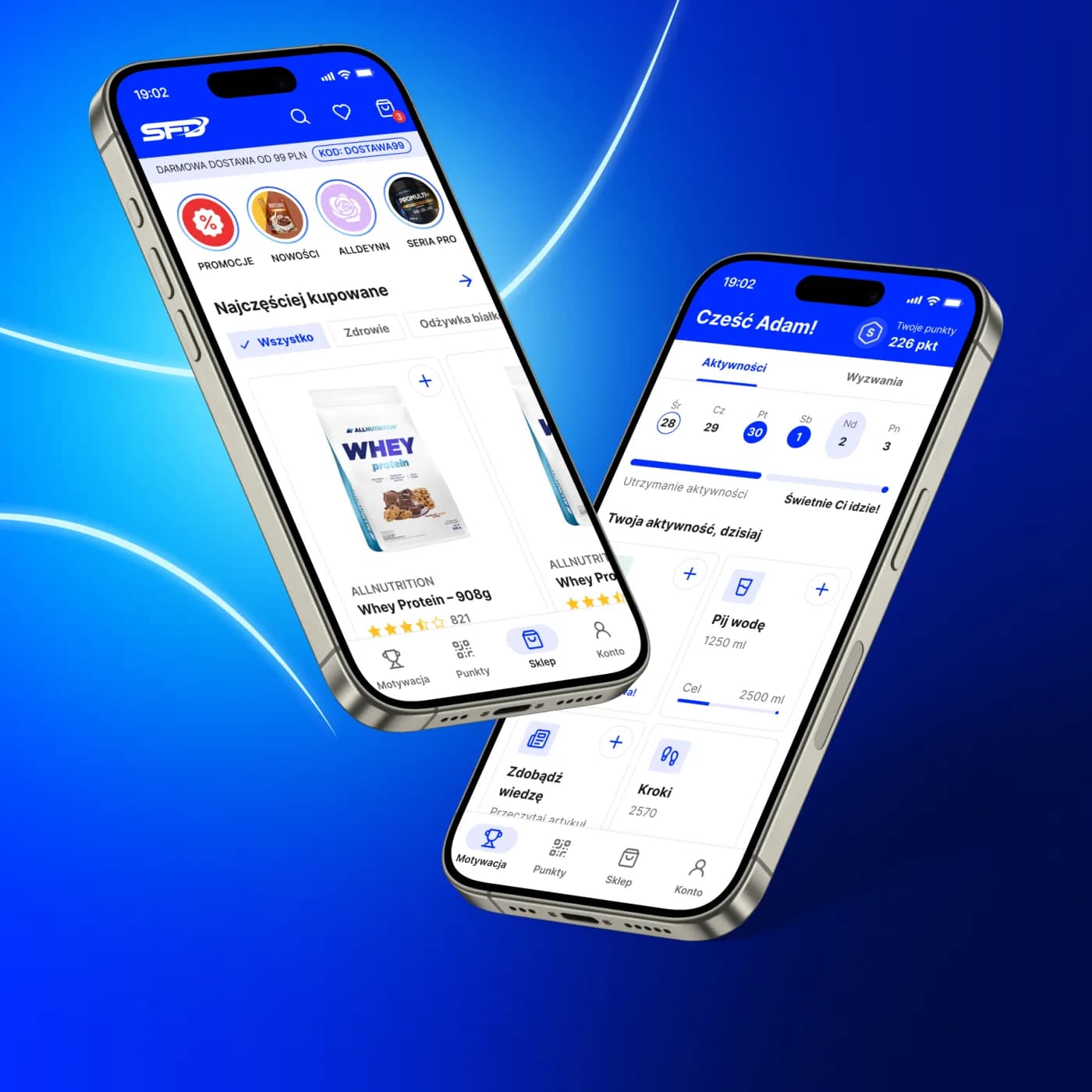
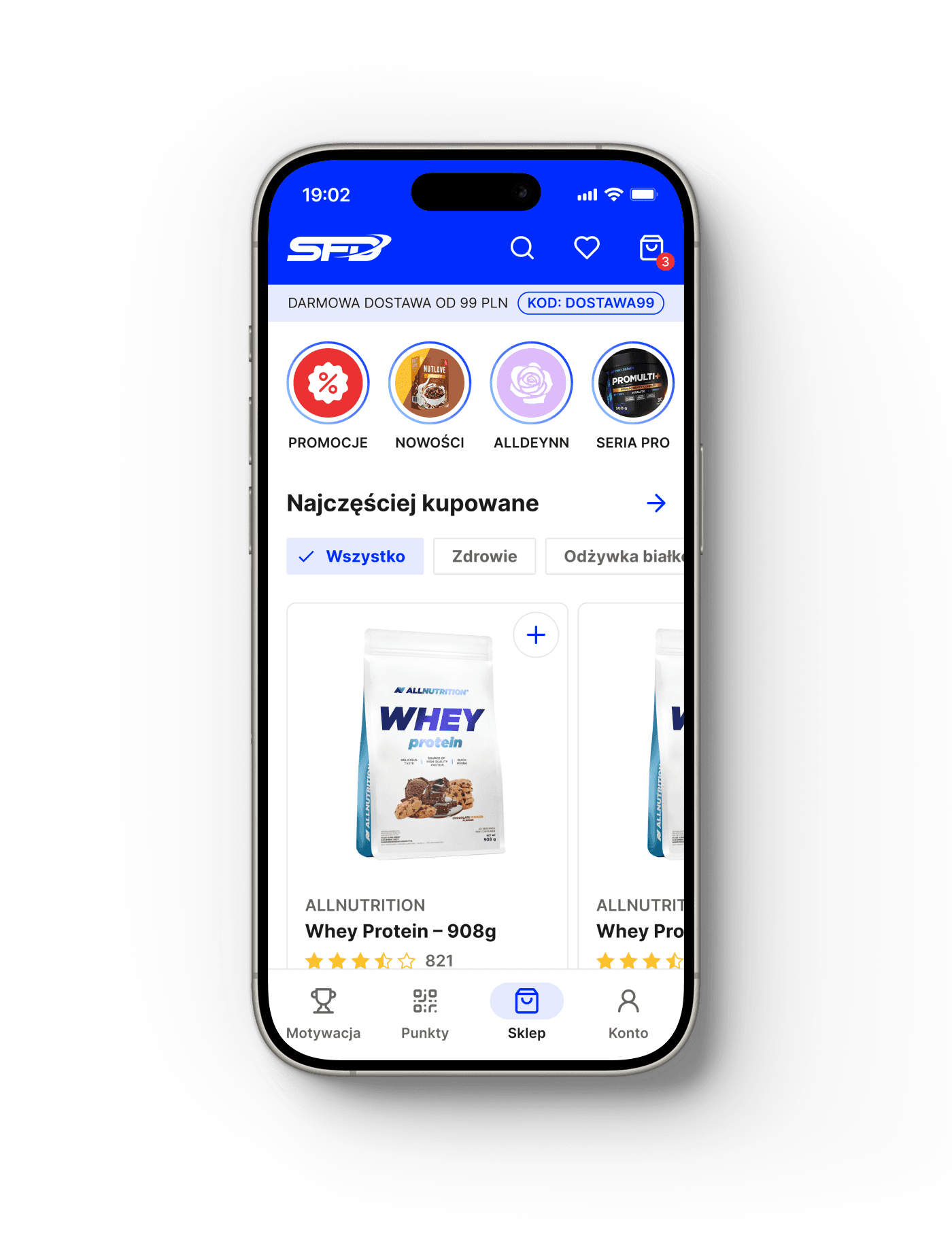
The SFD app, delivered by gmi.software, has been nominated for Mobile Trends Awards 2025 in the Commerce category. This recognizes a full loyalty and e-commerce app: store in your pocket, points program, gamification, and integration with the client’s existing backend.
The nomination is for the app we built together with SFD, focused on user experience, performance and business value: 100,000+ downloads according to GMI/SFD data, a 4.9 App Store rating, full mobile commerce and loyalty in one channel.
What was actually validated
The important part of this case study is not the award mention alone, but the fact that the app works as a living commerce channel. Public app store pages show regular releases, a high App Store rating and features that connect shopping with retention.
SFD project context
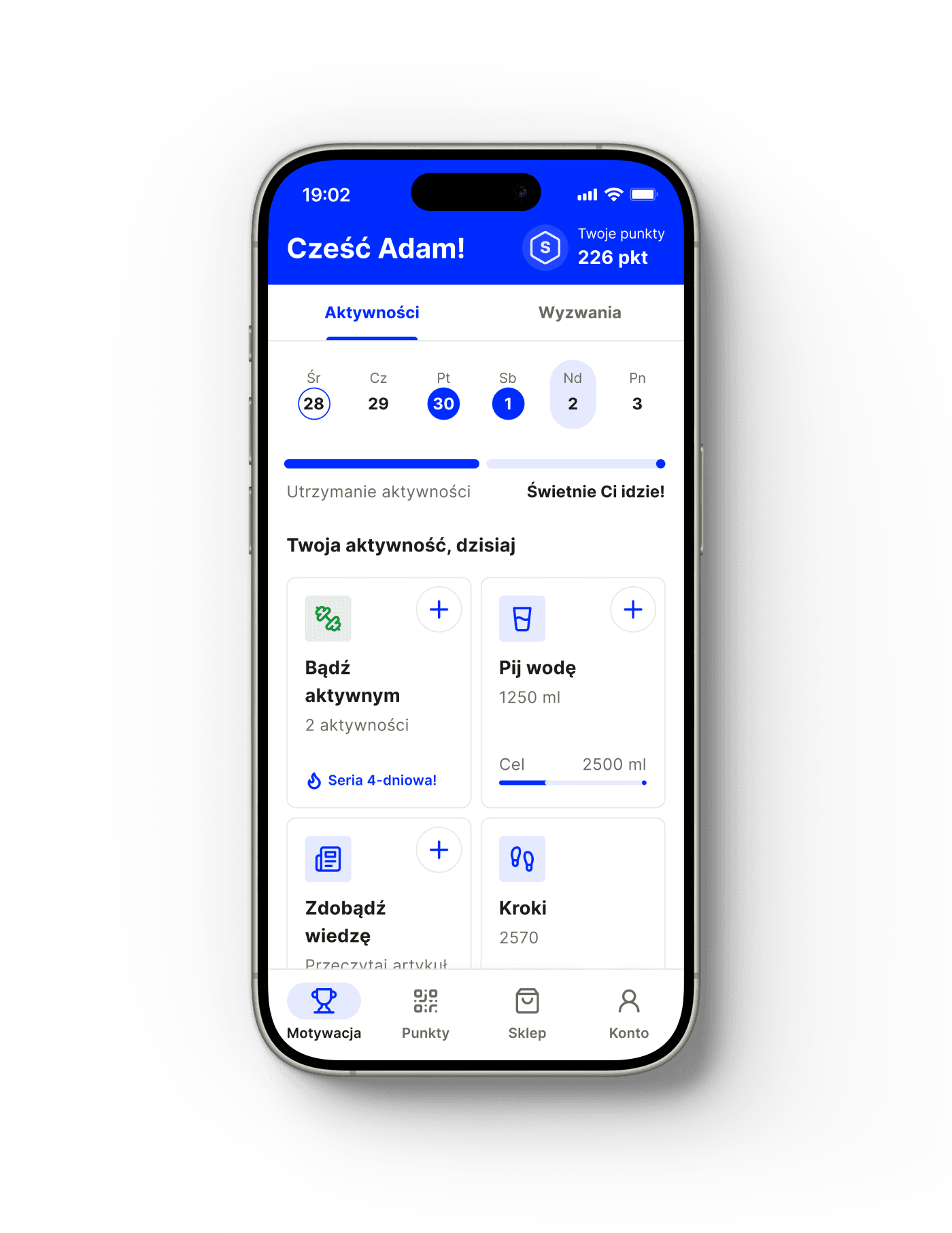
SFD is a leader in the supplements and sports nutrition market in Poland. The app combines full store functionality with gamification (challenges, points, rewards) and Apple Health / Google Health integration. gmi.software is the technical partner.
Full SFD app case study →Product, not only a nomination
SFD connects three flows that are often built separately: shop, points programme and health motivation. That combination is what makes the app a return channel, not only a mobile product catalogue.
Why this matters for e-commerce teams
A mobile app makes sense only when it solves a business problem: lowering the cost of bringing customers back, increasing purchase frequency or giving better behavioural data than mobile web alone. In SFD, the app is not a copy of the responsive website; it is a retention channel.
Mobile commerce needs three layers to work together: convenient checkout, loyalty mechanics and stable backend integration. If one fails, users quickly return to the browser or to a competitor. That is why the project started with purchase and loyalty journeys, not a list of screens.
What teams can apply to their own product
- Do not build an app only to “be on the phone”. Define where the app beats web: push, scanner, fast reorder, points wallet or educational content.
- Loyalty must be part of the transaction. Points, challenges and rewards should shorten the path to the next order, not sit in a separate tab nobody revisits.
- Architecture must survive campaigns. Promotions, seasonality and push-driven traffic need monitoring, caching and clean order-system integration.
- The release loop is part of the product. App Store and Google Play pages show post-launch work around Apple Pay/Google Pay, returns, referrals, gift cards, performance fixes and user feedback.
What typical award announcements do not show
Most award posts stop at a headline, contest logo and short app description. For a CMO, CTO or ecommerce owner, the more useful question is: what must exist underneath to keep that product alive after launch?
- One data model for shop, user account, points, order status and push campaigns.
- Purchase journey monitoring, because an app store rating can drop before a sales report explains the issue.
- A post-launch backlog based on real usage: payments, returns, search, recommendations, feedback and Health/Google Health integrations.
Checklist before building a similar app
If your brand is considering a commerce app, do not start with “how many screens?”. Start with whether the app has its own reason for users to return.
- Do you have repeat purchase or a ritual the app can reinforce?
- Does the loyalty programme change behaviour, or does it only distribute discounts?
- Can the backend handle prices, stock, orders, points, returns and push campaigns in one flow?
- Do you have a post-launch plan: crash monitoring, analytics, release cadence and review handling?
Sources and materials
This article combines the nomination context with public app store pages and the full GMI case study. That lets the reader inspect not only the recognition, but also the product and operational consequences of building a commerce app.
Frequently asked questions
- Does a Mobile Trends Awards nomination prove business impact?
- A nomination does not replace business metrics, but for SFD it sits next to hard signals: 100,000+ downloads, a 4.9 App Store rating, and commerce, loyalty and gamification combined in one channel.
- When does a commerce app make sense instead of mobile web alone?
- When the brand has repeat purchases, a loyal customer base and needs an owned return channel: push, fast checkout, points program, reorder or features that are awkward in web.
- What risk should be checked before a similar app build?
- Start with integrations: catalogue, stock, prices, login, payments, loyalty program and order system. Without that, an app can look good in Figma and still fail during the first large campaign.
- Should a commerce app be its own product or a copy of the mobile website?
- It should be its own product with a clear reason to return: points, challenges, fast reorder, push, order history or features that work better than in web. A copy of the website rarely justifies the cost of maintenance.
Want a similar app?
We build e-commerce and loyalty apps from DDT to launch. If you want to check whether an app makes sense for your model, we start with processes, integrations and retention economics - not a promise that “an app solves everything”.
Content updated: July 11, 2026
Google Preferred Sources
See GMI more often in Google
Add gmi.software as a preferred source. Google may highlight our new articles more often in Top Stories and supported AI experiences.